Choosing mini excavator attachments starts with the job and the carrier machine. A tool that looks suitable may have the wrong mounting dimensions, need unavailable hydraulic capacity, or exceed the approved weight for the intended work.
This guide to mini excavator attachments explains which information to collect before requesting a quote. Use it to prepare a compatibility review, rather than assuming that tools advertised for the same weight class are interchangeable.
Choose Mini Excavator Attachments by Task
Start your mini excavator attachments list with the work you perform regularly. Trenching, surface finishing, drilling holes, and breaking material need different tools. Buying a large bundle before defining those jobs can leave you paying for equipment that rarely leaves storage.
For mini excavator attachments used on changing sites, record the material as well as the task. A narrow trench in loose soil and excavation through harder material create different selection questions. Give the supplier photographs and a short description of the conditions.
| Tool | Typical task to discuss | Checks before ordering |
|---|---|---|
| Digging bucket | Excavation and trenching | Width, capacity, mounting dimensions |
| Grading bucket | Surface finishing and material handling | Weight, width, approved application |
| Auger | Drilling specified holes | Ground conditions, drive and hydraulic requirements |
| Hydraulic breaker | Breaking suitable material | Carrier range, flow, pressure, return arrangement |
| Grapple | Handling suitable loose material | Load limits, connection and control requirements |
Example Compatibility Request
Suppose your next job involves narrow trenches and occasional post holes. Your mini excavator attachments inquiry can separate the bucket requirement from the auger requirement. For the bucket, provide the desired trench width and connection measurements. For the auger, describe the hole dimensions and ground conditions, then request the drive specifications and matching review. Attach photographs of the existing coupler and hydraulic connections with clear labels. Ask the supplier to return a written list of compatible components, required changes, and unresolved questions. Keep that response with the machine documentation so a later replacement tool can be checked against the same information. Label every measurement with its unit and the location being actually measured.
Check How Mini Excavator Attachments Connect
For pin mounted mini excavator attachments, request the necessary mounting measurements and a dimensioned drawing. Pin diameter alone is insufficient. Pin spacing and the space between mounting ears also need to match the approved connection.
Quick couplers change how mini excavator attachments connect to the machine. Identify the coupler model and locking arrangement before selecting a tool. A familiar brand name or a similar photograph is not evidence that two interfaces fit.
Ask the supplier of mini excavator attachments to confirm the complete connection, including any adapter, pins, hoses, and fittings. Obtain an itemized list so missing installation components do not appear only after the shipment arrives.
Match Mini Excavator Attachments to Hydraulics
Hydraulically powered mini excavator attachments require a match between the tool requirements and the machine circuit. Collect the required flow range, working pressure, and return requirements from the tool documentation. Compare these with the carrier specifications.
Some mini excavator attachments require particular control functions or additional hydraulic connections. Ask whether the quoted machine already provides them. Avoid assuming that the presence of auxiliary hoses proves every powered tool can be operated.
Review Mini Excavator Attachments and Carrier Limits
The weight of mini excavator attachments becomes part of the machine configuration. Ask for the approved tool range and relevant operating documentation. Reach, tool weight, and carried material all matter when the work includes lifting or handling loads.
Do not choose mini excavator attachments only because another excavator of similar weight uses them. Boom geometry, hydraulic equipment, and manufacturer limitations can differ. The exact carrier model and configuration must remain part of the review.
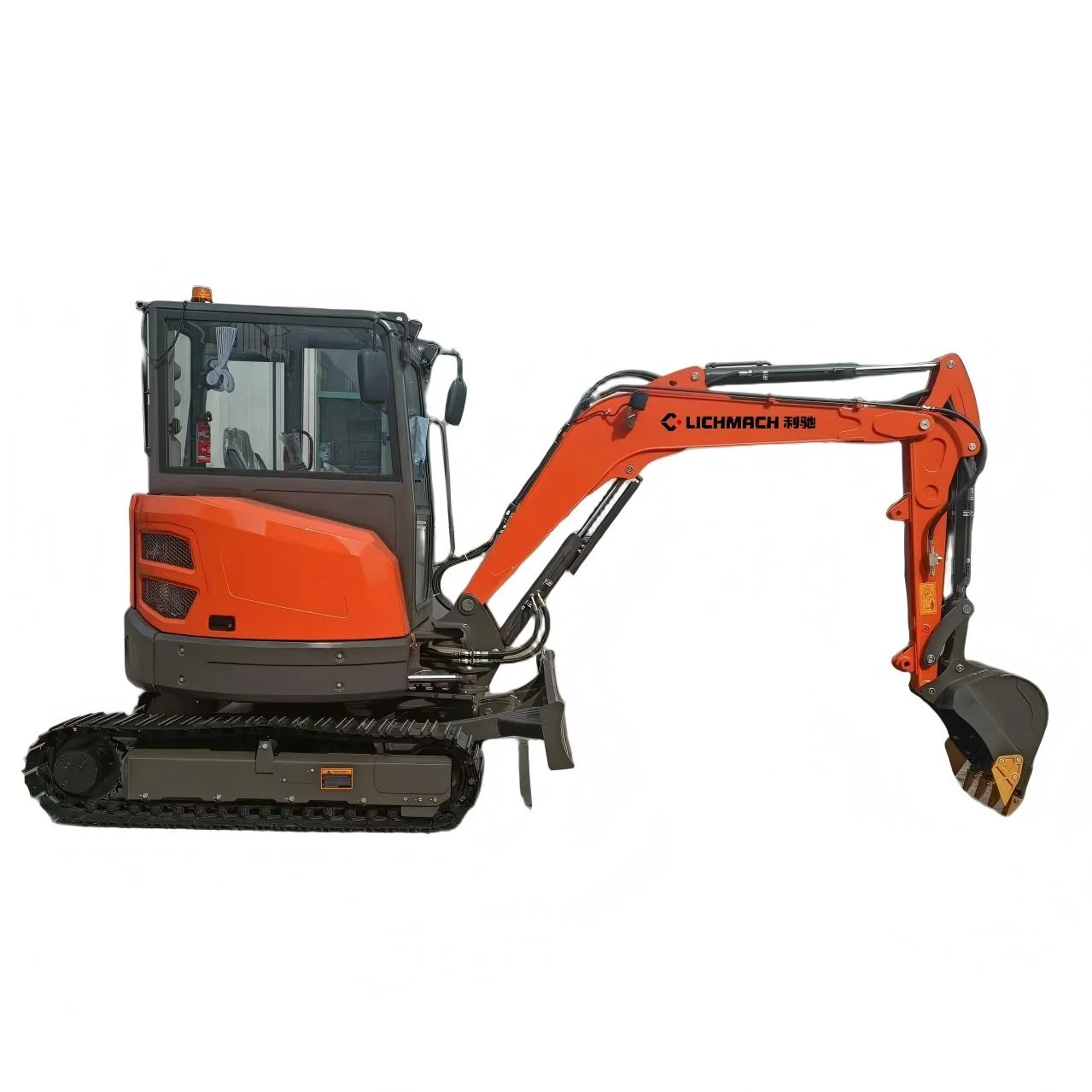
The LC8035 product page provides machine information for a potential inquiry. For mini excavator attachments, send the exact carrier details instead of requesting a tool only by approximate tonnage.
Prepare a Mini Excavator Attachments Inquiry
A useful mini excavator attachments request includes the machine model, serial number if available, current coupler photographs, dimensions, hydraulic specifications, and intended material. Add the desired quantity and destination for a meaningful quotation.
When pricing mini excavator attachments, ask what is supplied with each tool and what remains to be sourced locally. Confirm packing, documentation, wear parts identification, and commercial terms. Availability requires a separate check for each requested combination.
Mini Excavator Attachments Questions
Are mini excavator attachments universal?
No. Similar size labels do not establish mechanical or hydraulic compatibility. Request written matching information for the tool, coupler, and carrier before ordering.
Which mini excavator attachments should I buy first?
Prioritize the tools required for recurring paid work. Review the existing bucket and identify the next task that needs a different tool before building a larger equipment package.
Can LICH help match mini excavator attachments?
LICH’s parts and attachments service accepts model information and tool requests for review. Mini excavator attachments availability and compatibility are confirmed before quotation; the service page is not a universal fit guarantee.
Send your mini excavator attachments requirements with carrier photographs and the available technical information.