Choose Mini Excavator Buckets by Work
mini excavator buckets look similar in a catalogue, but width, profile, capacity, teeth, and mounting geometry change the work each tool can do. Begin with the soil and finished trench dimensions.
When buying mini excavator buckets, tell the supplier whether the priority is narrow trenching, bulk digging, ditch cleaning, or surface grading. One general bucket is rarely optimal for every task.
Check Mounting and Machine Limits
Standard digging mini excavator buckets are commonly chosen for excavation in suitable soils. Review tooth choice, edge wear, bucket width, and rated capacity against the selected machine and intended material.
Narrow trenching mini excavator buckets help form service trenches where width matters. Check whether their profile suits local soil, required depth, and cleaning method before assuming a narrow tool is faster.
Wider grading mini excavator buckets can help shape and clean surfaces. Their broad width changes load and reach demands, so compare permitted tools and hydraulic controls for the exact excavator.
Tilting or specialty mini excavator buckets may require extra hydraulics or a different coupler. Confirm flow, pressure, plumbing, controls, and physical clearances before including them in an order.
| Decision point | Evidence to request |
|---|---|
| Work | Digging, trenching, or grading |
| Interface | Pins, ears, and coupler |
| Package | Teeth, hardware, and wear parts |
Mini Excavator Buckets in a Real Specification
Fitment for mini excavator buckets starts with the coupler interface. Request pin diameter, pin-center distance, ear width, hook dimensions where relevant, and the precise quick-coupler model.
A photograph alone cannot establish that mini excavator buckets fit. Two machines with similar operating weight may use different pin spacing or couplers, and production variants can differ within one model.
Confirm the permissible mass and capacity of mini excavator buckets against the machine maker’s guidance. Material density and fill factor affect the load; published bucket volume is not a lift rating.
When comparing mini excavator buckets, ask if teeth, side cutters, pins, bushings, hoses, and the coupler are included. Missing small components can delay use even when the shell is delivered.
Before fitting mini excavator buckets, check boom and arm clearance through the operating range. Verify the attachment lock and follow the machine and coupler manuals; unsafe retention can create a serious hazard.
Compare Wear and Service Details
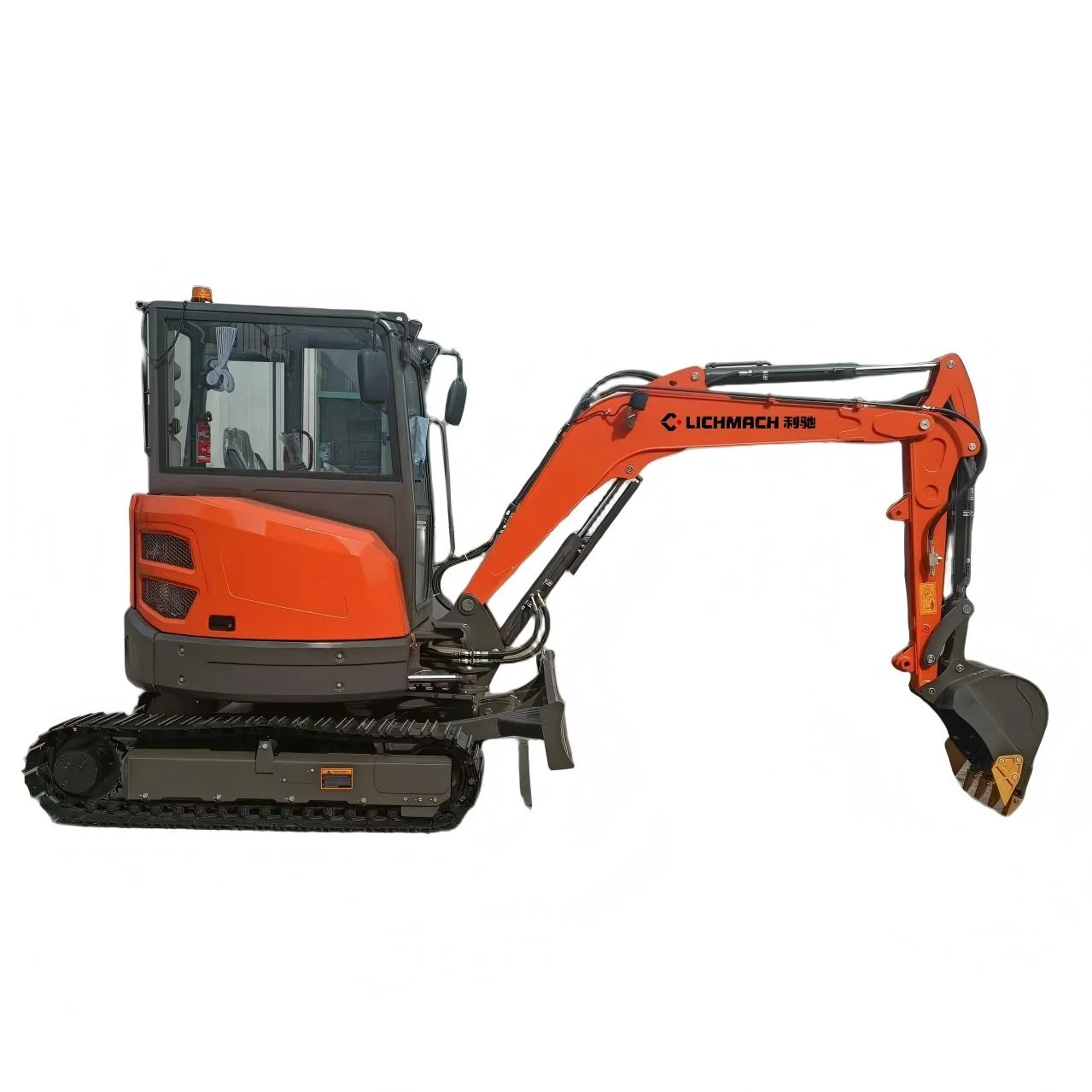
The LICH LC8035 listing is a compact excavator example for discussing mini excavator buckets. Its published bucket is a starting configuration, not proof that every aftermarket bucket is compatible.
Provide the exact serial and existing coupler details when requesting mini excavator buckets for an LC8035. Ask for a dimensioned drawing and a written fitment check before paying for a replacement.
LICH’s parts page accepts model-based requests that include mini excavator buckets. It does not establish universal inventory, immediate availability, or compatibility without reviewing the actual machine.
A buyer comparing mini excavator buckets should record the soil type, required trench width, usual digging depth, and spoil handling method. That helps narrow the tool without relying on the widest available option.
Send a Fitment Request
Wear parts can alter total cost for mini excavator buckets. Ask how tooth systems, cutting edges, pins, and bushings are identified, and whether replacements can be matched by part number.
For mini excavator buckets used in abrasive material, agree on inspection points and service intervals with the supplier. Do not infer a guaranteed working life from a single product image.
For an export order of mini excavator buckets, list packing dimensions, tool mass, included hardware, and destination. Confirm whether the attachment ships with the machine or as a separate item.
A useful mini excavator buckets request includes photos of the current coupler from several angles, measured pin details, existing bucket markings, machine identification, and a description of the intended job.
Practical buyer worksheet
Make a fitment sheet with measured pin diameter, center-to-center pin distance, ear spacing, and photographs of the coupler open and closed. Add the machine model, serial number, current tool markings, desired working width, and typical material. Ask for a dimensioned drawing of the proposed tool and written confirmation of included pins, bushings, teeth, and hose connections. Keep the response with the order documents. If measurements or model identity conflict, resolve them before shipment; a return across borders can cost more than the first careful compatibility check. For replacement orders, inspect wear on the current pins and coupler as well as the tool. Ask whether existing hoses or fittings can be reused safely under the maker instructions. Photograph any damage before removal, and retain the old part identification for future orders.
Mini Excavator Buckets: Buyer Questions
Can wider mini excavator buckets always move more soil? No. Material density, machine capability, excavation geometry, and the ability to dump cleanly determine practical productivity.
Are mini excavator buckets interchangeable across brands? Sometimes only with a verified interface or adapter. A brand label or similar machine weight is insufficient evidence of fitment.
Need mini excavator buckets matched to a model? Send LICH the machine identifier, coupler dimensions, intended width, material, quantity, and destination through the contact page for review.