What Changes Mini Excavator Lifting Capacity?
mini excavator lifting capacity is not a single number printed beside operating weight. The permitted lift depends on the exact machine, reach, height, orientation, configuration, and approved lifting arrangement.
If a project involves pipe sections or concrete units, request a mini excavator lifting capacity chart before selecting equipment. Record the maximum load and every position from pickup through placement.
Read the Correct Lift Chart
A mini excavator lifting capacity figure changes as the load moves farther from the machine. The same object may be within limits at one radius and outside limits at another during a swing.
The vertical position also affects mini excavator lifting capacity. Use the chart row for the actual hook or attachment height, and check the whole travel path rather than only the start and finish.
Over-front and over-side ratings may differ in a mini excavator lifting capacity chart. Confirm whether the blade is raised or down, and follow the manufacturer’s stated chart conditions exactly.
A mini excavator lifting capacity chart may specify standard arm length, tracks, counterweight, bucket, and lifting point. A changed configuration needs the matching manufacturer-approved information before work starts.
Ground conditions matter even when a mini excavator lifting capacity chart gives a rated value. Prepare stable, level support as instructed, assess nearby excavations, and follow site-specific lift planning rules.
| Decision point | Evidence to request |
|---|---|
| Chart identity | Exact model and configuration |
| Lift path | Radius, height, and orientation |
| Load | Object plus rigging and tool |
Mini Excavator Lifting Capacity and the LC-E20
To check mini excavator lifting capacity, first identify the exact model and serial or specification version. Obtain its official lift chart, then find the radius and height corresponding to the worst planned position.
Next, compare the relevant mini excavator lifting capacity rating with total suspended weight. Include the object, rigging, coupling, hook, and any attached tool whenever the maker’s chart requires them.
Do not interpolate a mini excavator lifting capacity rating from operating mass or digging force. Those figures describe different properties and cannot establish a safe lift for a given radius.
If the necessary mini excavator lifting capacity chart is unavailable, pause that lifting decision. Ask the supplier for the correct document rather than substituting a chart found for a similar-looking machine.
Include the Whole Load
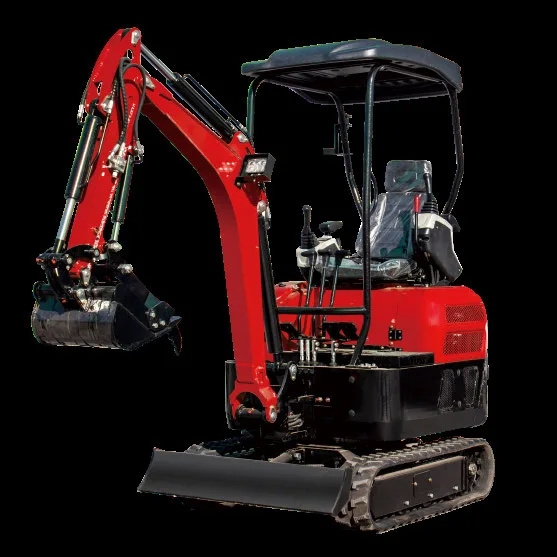
The LICH LC-E20 page identifies a compact excavator, but its public listing does not provide a complete mini excavator lifting capacity chart. Request the matching configuration document before planning any lift.
A 2,000 kg operating-weight entry does not mean 2,000 kg mini excavator lifting capacity. That shortcut ignores stability, structural limits, reach, orientation, and the mass of the installed lifting equipment.
For a mini excavator lifting capacity inquiry, provide the object dimensions, verified total weight, pick and set coordinates, maximum radius, ground conditions, and available working space. This helps identify whether the machine is appropriate.
A comparison of mini excavator lifting capacity between machines only works when chart conditions match. Check boom and arm, blade position, lifting point, track arrangement, and units before drawing a purchasing conclusion.
Prepare a Safe Buyer Checklist
During a mini excavator lifting capacity operation, use a manufacturer-approved lifting point and suitable rigging. Competent operators and lift planners should follow applicable local requirements and the exact machine manual.
Never use mini excavator lifting capacity guidance as permission to carry a suspended load across a site. Travel, swing, personnel exclusion, and signaling need their own procedure and site review.
A useful mini excavator lifting capacity quotation request names the model, expected task, quantity, destination, and document version. Ask the seller to state any option that changes the published chart.
Keep the official mini excavator lifting capacity chart with the selected machine documentation. Where site conditions differ from its assumptions, stop and obtain competent assessment rather than applying a larger chart value.
Practical buyer worksheet
Prepare a lift scenario worksheet before seeking a model recommendation. Sketch the pickup point, set point, machine position, maximum horizontal radius, and minimum and maximum hook heights. List the object’s verified weight and the weight of every component between it and the approved lifting point. Identify people, buried services, overhead lines, and nearby excavations for the site planner. Keep the manufacturer chart version with the worksheet. If the selected configuration changes, repeat the assessment. An illustrated article can explain chart reading, but only the matching maker document and a competent site review can support the actual lift decision. Verify independently.
Mini Excavator Lifting Capacity: Questions
Can bucket volume estimate mini excavator lifting capacity? No. Bucket size concerns digging and material volume; it cannot replace the maker’s lift chart for a suspended object.
Why do mini excavator lifting capacity charts have several columns? They separate operating conditions such as position and radius. Read the notes, units, and configuration before selecting the lowest applicable rating.
Need a model-matched mini excavator lifting capacity document? Send LICH the exact machine specification and lifting scenario through the inquiry form. A quotation is not a lift plan.