Bulldozer weight influences transport planning, ground loading, traction and the scale of blade work, but it is not a complete measure of machine capability. Blade geometry, power, undercarriage and site conditions have to be considered with the published weight.
This guide uses the current LICH crawler-dozer pages. It leaves unpublished values open rather than filling a bulldozer size chart with estimates.
Published bulldozer weight and size data
The LC-D220 crawler bulldozer is published at 23.5 t operating weight with 175 kW rated power at 1,800 rpm. Its published blade width is 3,725 mm.
The LC-D160 is published in a 131 kW power class. Its final weight and dimensions should be confirmed for the selected configuration instead of inferred from the model name.
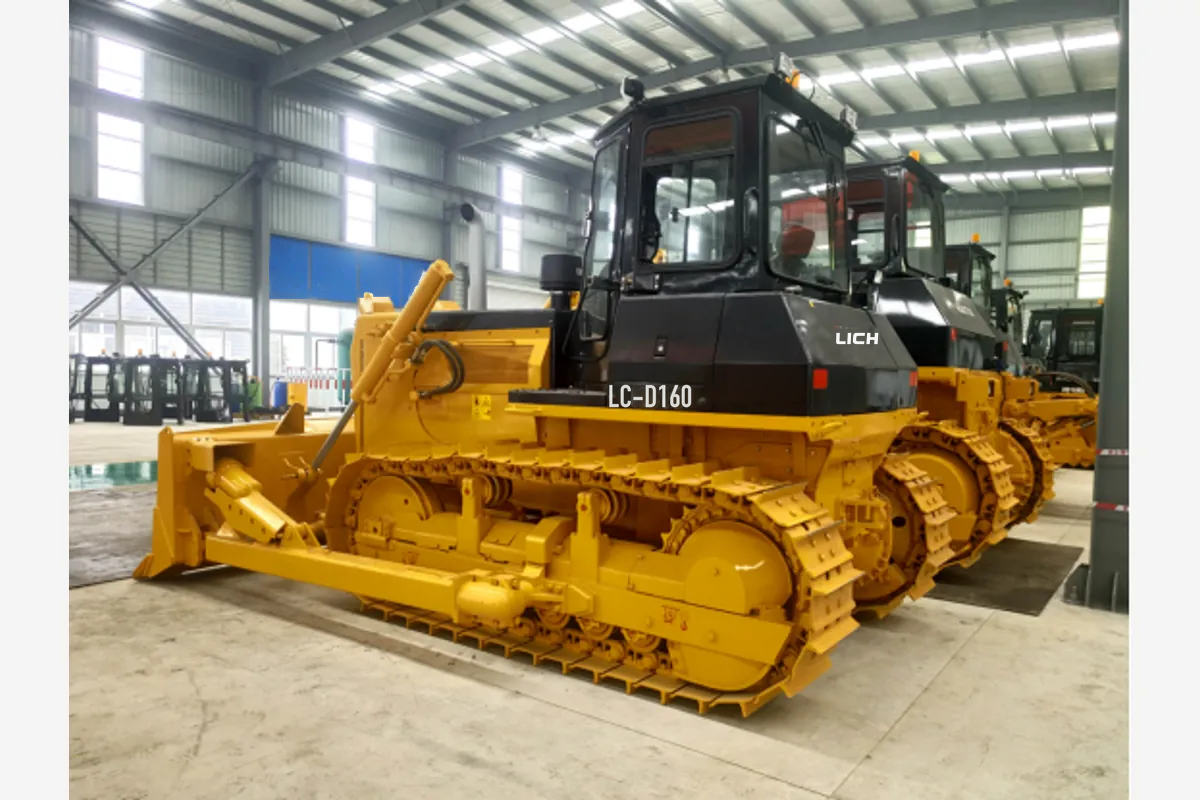
| Model | Operating weight | Power | Blade width |
|---|---|---|---|
| LC-D160 | Confirm by configuration | 131 kW power class | Confirm by configuration |
| LC-D220 | 23.5 t | 175 kW / 1,800 rpm | 3,725 mm |
Why bulldozer weight matters
Transport equipment must be planned from the final machine weight and dimensions, including installed blade and optional equipment. Site access also needs adequate width, height and turning room.
On the job, machine weight interacts with track contact, material, slope and traction. A heavier model is not automatically more suitable if transport, access or ground conditions do not support it.
- Use configured weight for transport planning.
- Check blade width against access and working width.
- Review ground conditions and undercarriage configuration.
- Compare power only after the required machine class is defined.
Data to confirm before selecting a bulldozer
LICH reviews model, configuration, quantity, working conditions and destination before a written quotation. That process is where any unpublished transport value should be confirmed.
- Exact machine model and blade configuration
- Operating and shipping weight
- Overall shipping dimensions
- Track and undercarriage configuration
- Destination, transport method and job conditions
Information to prepare for model matching
A useful machinery inquiry connects the model to a real work requirement. Include the primary task, material, required working range, access limits, ground conditions, attachment needs, quantity and destination. For transport-sensitive equipment, include the maximum permitted shipping dimensions or weight if these are already known.
LICH compares this information with the reviewed product files and published model data. A family name or weight class is not treated as a complete configuration. Values that are not present in the verified product material remain subject to written confirmation, and the final model, working equipment and shipment details should be recorded in the quotation documents.
Frequently asked questions
How much does a bulldozer weigh?
Bulldozer weight varies by model and configuration. The current LC-D220 page publishes 23.5 t; unpublished values should be confirmed directly.
Does blade width change transport planning?
Yes. Installed working equipment affects the overall transport envelope, so the final shipping configuration must be checked.
Can power identify bulldozer size by itself?
No. Power is one specification. Weight, blade, undercarriage, dimensions and job conditions also matter.
Compare verified LICH machine data
Use the published model pages to compare dimensions, operating weight, power and working ranges. Final configuration details should be confirmed in writing for the intended job and destination.