Mini excavator weight affects transport planning, ground pressure, access and the scale of work a machine can reasonably handle. Width and height matter just as much when the route to the job passes through gates, buildings or restricted working areas.
This mini excavator weight and size chart uses the five compact excavators currently published by LICH. It does not estimate lifting capacity or substitute for transport documentation; it organizes the verified specifications buyers need for an initial shortlist.
Mini excavator weight and size chart
The current range spans from the 1.5 t class LC-E15 to the LC8035 compact crawler excavator. Some models publish complete overall dimensions, while others publish selected dimensions only; missing values are not filled with estimates.
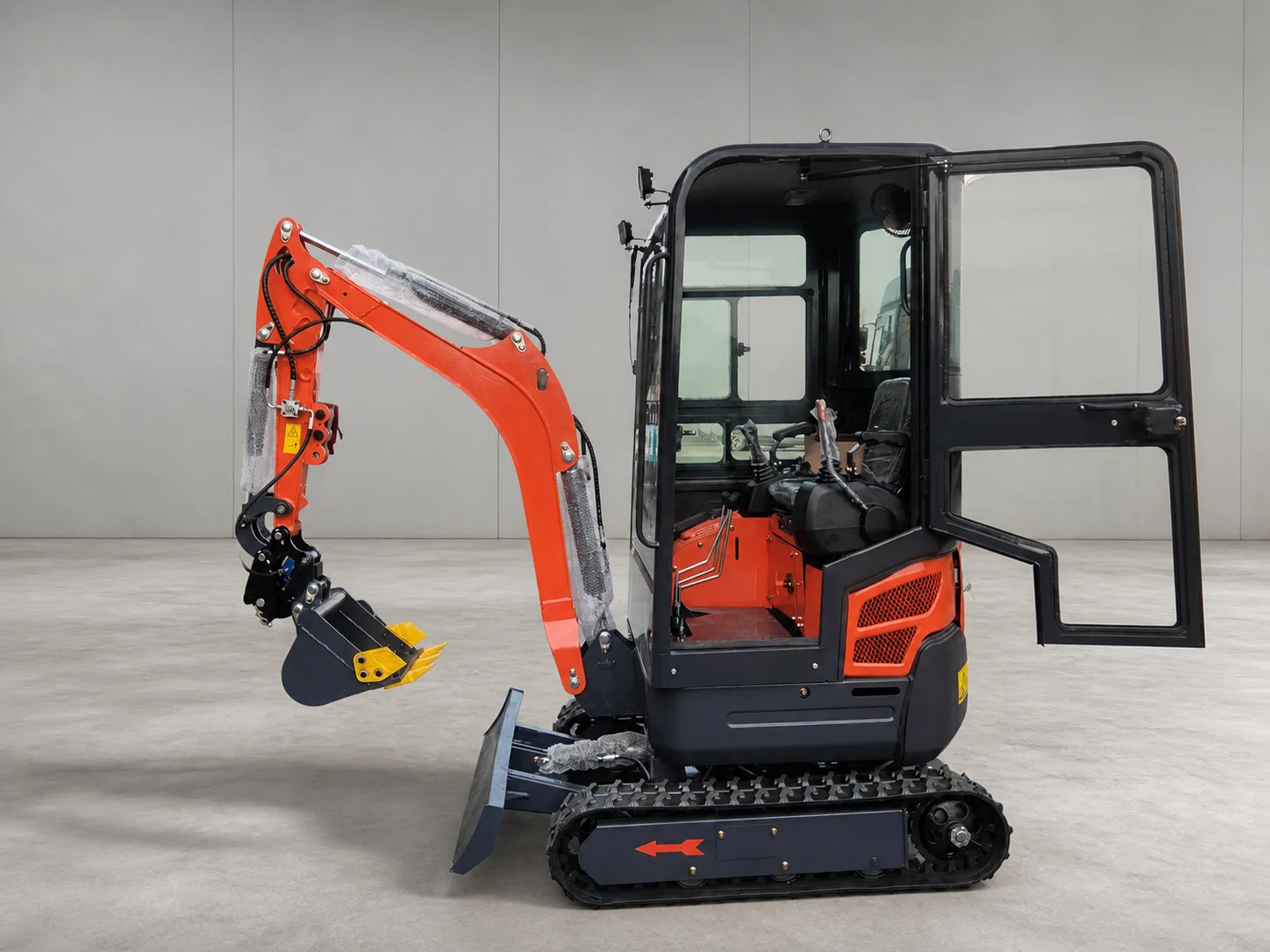
| Model | Operating weight | Overall dimensions | Bucket capacity | Maximum digging depth |
|---|---|---|---|---|
| LC-E15 | 1.5 t class | Packing: 2,840 × 1,100 × 1,600 mm | Not published | Not published |
| LC-E17 | 1.8 t class | Packing: 3,200 × 1,230 × 1,700 mm | Not published | Not published |
| LC-E20 | 2,000 kg | 3,337 × 1,100 × 2,325 mm | 0.04 m³ | 2,060 mm |
| LC-E30 | 2,800 kg | 4,088 × 1,360/1,560 × 2,410 mm | 0.07 m³ | 2,450 mm |
| LC8035 | Not published | 4,915 × 1,755 × 2,525 mm | 0.12 m³ | 3,208 mm |
What mini excavator weight changes on a job
A lighter machine may be easier to position in a restricted area, but the required digging depth and bucket size still have to be met. A heavier compact model may offer a larger working envelope, while also requiring more transport capacity and wider access.
Operating weight is a starting point, not a complete selection rule. Compare the machine width, overall height, digging depth, bucket capacity and attachment requirements together. The LC-E30, for example, lists a retracted/extended width of 1,360/1,560 mm, which is directly relevant to narrow access planning.
- Use actual overall dimensions to check gates and transport decks.
- Match maximum digging depth to the trench or foundation requirement.
- Check bucket capacity against the intended material and cycle volume.
- Confirm attachments and final operating weight before transport planning.
How to shortlist a mini excavator
Start with the published LICH mini excavator comparison page. Remove any model that cannot meet the measured access limit or digging depth. Then compare bucket capacity, power and available attachments among the remaining machines.
If a required value is not published, request the exact configuration data instead of assuming that two machines in the same weight class are interchangeable.
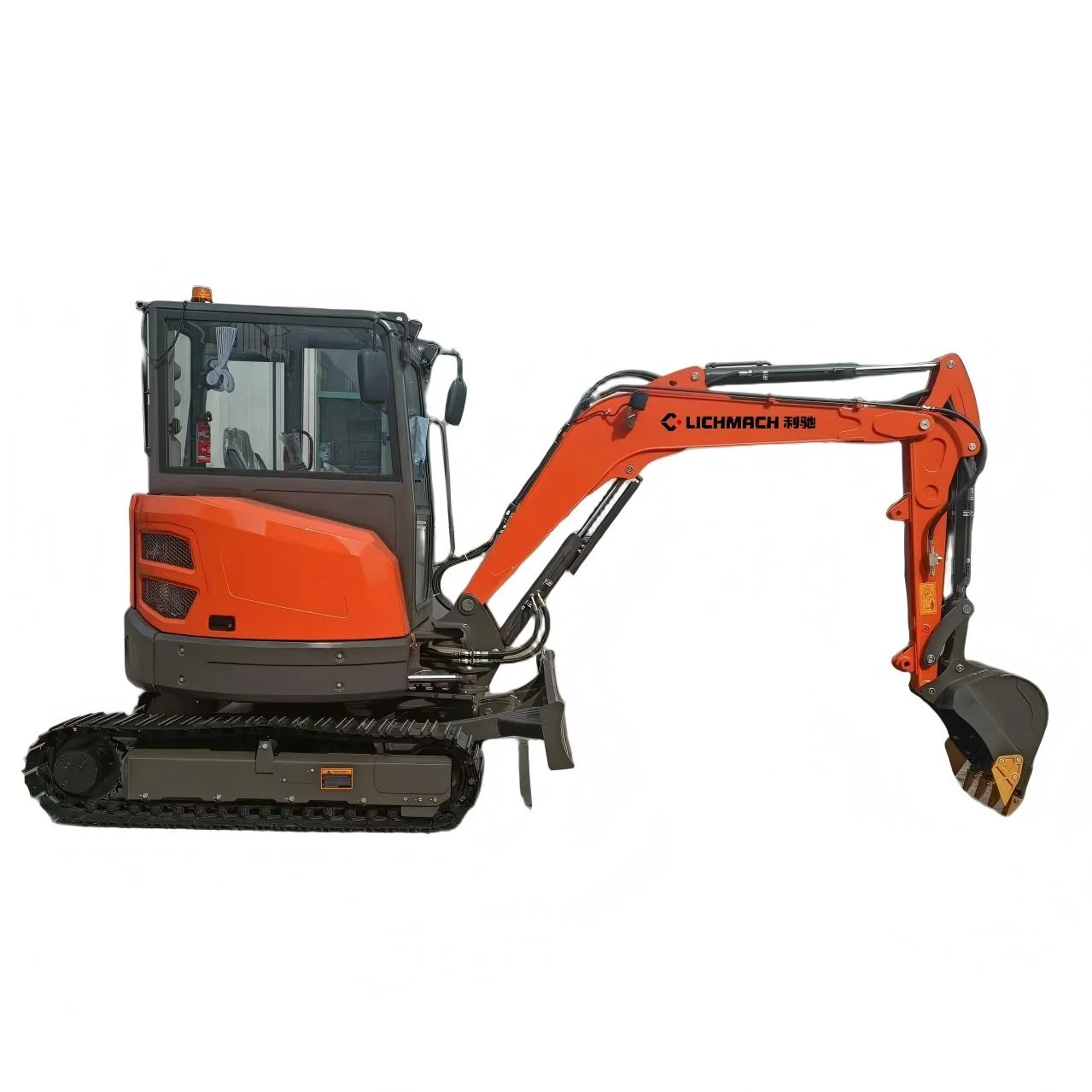
Information to prepare for model matching
A useful machinery inquiry connects the model to a real work requirement. Include the primary task, material, required working range, access limits, ground conditions, attachment needs, quantity and destination. For transport-sensitive equipment, include the maximum permitted shipping dimensions or weight if these are already known.
LICH compares this information with the reviewed product files and published model data. A family name or weight class is not treated as a complete configuration. Values that are not present in the verified product material remain subject to written confirmation, and the final model, working equipment and shipment details should be recorded in the quotation documents.
Frequently asked questions
How much does a mini excavator weigh?
In the current LICH range shown here, models run from the 1.5 t class LC-E15 to the 2,800 kg LC-E30, with the LC8035 as the largest compact crawler model; its operating weight is not published. The final configured weight should be confirmed before transport.
Is operating weight the same as transport weight?
Not necessarily. Attachments, buckets, fluids and transport configuration can change the final shipping weight.
What size mini excavator fits narrow access?
Use the measured access width and compare it with the model’s published overall width. Do not select by tonnage alone.
Compare verified LICH machine data
Use the published model pages to compare dimensions, operating weight, power and working ranges. Final configuration details should be confirmed in writing for the intended job and destination.