A smooth drum roller should be selected for the material, layer preparation, and project requirements it will encounter. Machine weight is useful, but it does not establish whether the drum arrangement and available operating settings match the work.
This smooth drum roller guide focuses on soil compaction and purchasing decisions. It explains what to ask about smooth and padfoot configurations, which specifications belong in a comparison, and how to prepare a useful machinery inquiry.
Match a Smooth Drum Roller to the Material
A smooth drum roller is commonly considered for granular materials. Cohesive material can call for a different drum arrangement, including an approved padfoot configuration. The job specification and the material condition should guide the decision.
Before selecting a smooth drum roller, describe the material, moisture condition, proposed lift thickness, and required acceptance method. Ask the project team which information is needed for a trial section. Do not assume that a universal pass count will meet every specification.
Example Comparison Request
For an aggregate access road, assemble the material description, specified layer preparation, working width, and acceptance requirements before requesting a smooth drum roller. Ask each supplier to identify the offered machine and available vibration settings on the same comparison sheet. If a later phase involves different soil, describe that phase separately and ask whether another configuration is appropriate. Record any proposed shell kit by its actual part or model identification. Keep the supplier response alongside the project requirements so the purchasing team can see which conditions were considered. The trial and testing plan should remain a separate project document with its own responsible reviewer. Have the project reviewer mark missing information clearly, then send those specific questions back to the supplier before treating the proposed equipment as suitable for the work.
Smooth Drum Roller or Padfoot Configuration?
A smooth drum roller has a continuous drum surface. A padfoot arrangement uses projecting pads. Treat this as a material and application choice, rather than assuming that one is an upgrade suitable for every job.
When a smooth drum roller offers a removable shell, confirm the exact compatible kit and the resulting configuration. Ask what changes in dimensions, weight, scrapers, and operating guidance. A shell photograph is not sufficient evidence for interchangeability.
| Selection item | Information to collect | Why it belongs in the inquiry |
|---|---|---|
| Material | Type and available project information | Drum configuration review |
| Working area | Width, access and turning space | Physical machine suitability |
| Layer preparation | Specified lift and moisture requirements | Trial and acceptance planning |
| Machine settings | Available vibration and travel settings | Configuration comparison |
| Optional shell | Exact kit and installation requirements | Compatibility confirmation |
Compare Smooth Drum Roller Specifications
For a smooth drum roller shortlist, collect operating mass, drum width, static linear load, amplitude, frequency, and the stated drive arrangement. Keep the units beside every value. Similar names do not mean that two machines have identical systems.
A smooth drum roller with mechanical travel drive can still use hydraulic vibration. Separate the travel system from the vibration system in your comparison. Ask the supplier to explain configuration differences instead of reducing the decision to one word.
A Smooth Drum Roller Catalogue Example
LICH’s LC216B smooth drum roller listing gives an operating mass of 16,000 kg, engine power of 97 kW at 2,200 rpm, and drum width of 2,100 mm. The page also lists removable padfoot equipment as an option requiring confirmation.
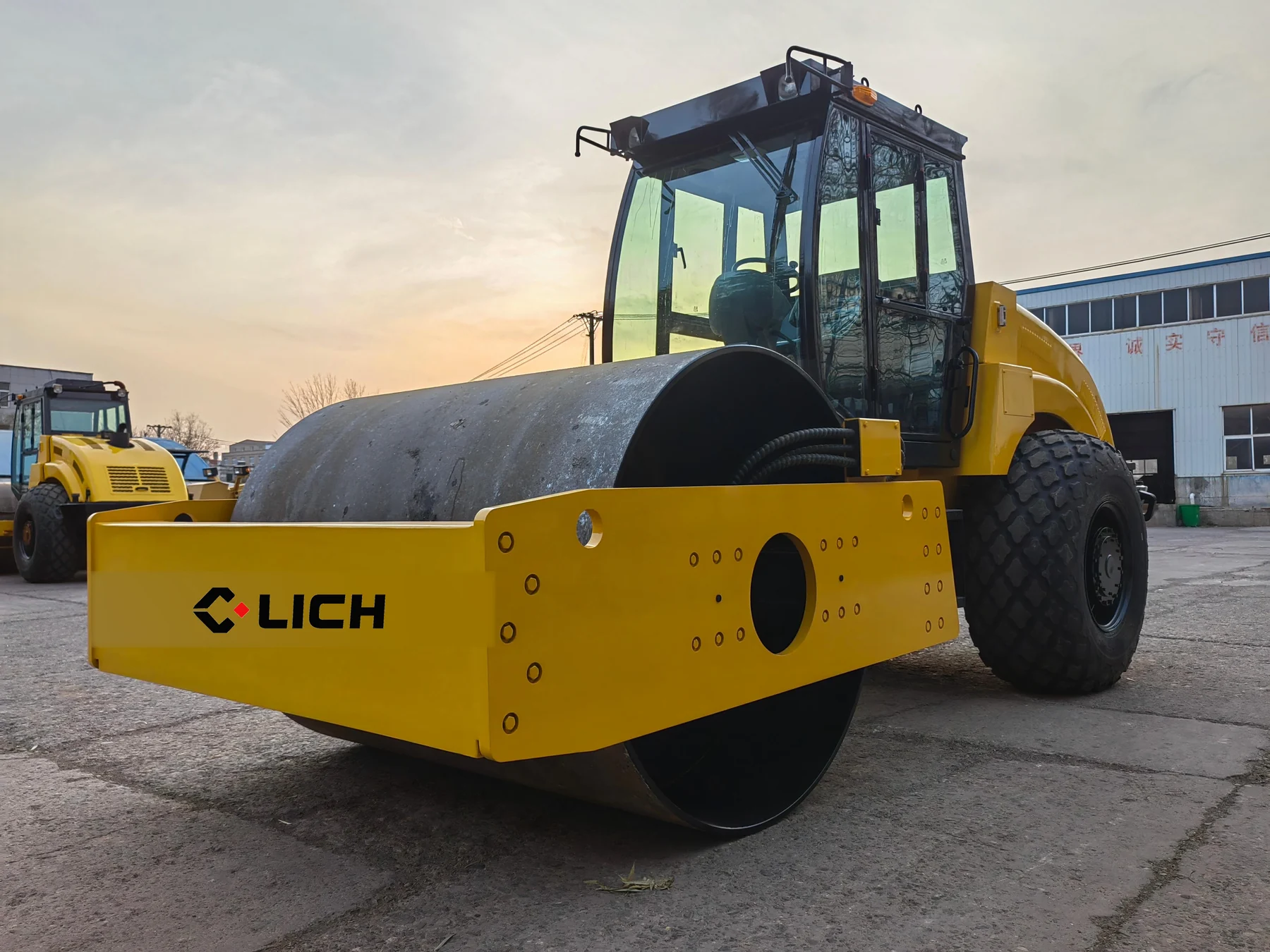
Use the LC216B product page when requesting a smooth drum roller comparison. These catalogue figures help identify the machine, but they do not replace a site assessment or establish the achieved compaction result.
Plan Smooth Drum Roller Acceptance and Support
A smooth drum roller purchase should include the current operating documentation and an agreed configuration list. Ask which predispatch checks will be recorded and how the machine will be identified in photographs or inspection documents.
For smooth drum roller project planning, separate machine acceptance from material acceptance. Checking the delivered model and equipment is different from verifying the compacted layer against the project’s requirements. Keep both responsibilities clear.
Ask how smooth drum roller wear parts and service components are identified. Drum scrapers, filters, and other maintenance items should be requested using the relevant model and part information. Confirm availability instead of assuming every item is stocked.
Smooth Drum Roller Buyer Questions
Can a smooth drum roller work on every soil?
No. A smooth drum roller needs to be matched to the material and specification. Discuss alternative drum configurations when the project conditions call for them.
Is a heavier smooth drum roller always better?
No. A smooth drum roller must also fit the working area, material, operating requirements, and transport arrangement. Weight alone cannot decide the purchase.
What should a smooth drum roller inquiry contain?
Send material information, working width, project requirements, preferred machine class, quantity, and destination. Include any request for a padfoot shell so its compatibility can be checked.
Request a smooth drum roller configuration review and ask LICH to identify the available equipment in a written quotation.