Road roller weight affects the compaction system, transport plan and machine class, but weight alone does not identify the correct roller. Contact type, drum width, vibration data, tire arrangement and material all influence the selection.
This road roller weight guide uses published values from the current LICH range. Where a model page does not publish operating weight, the value is left out rather than estimated.
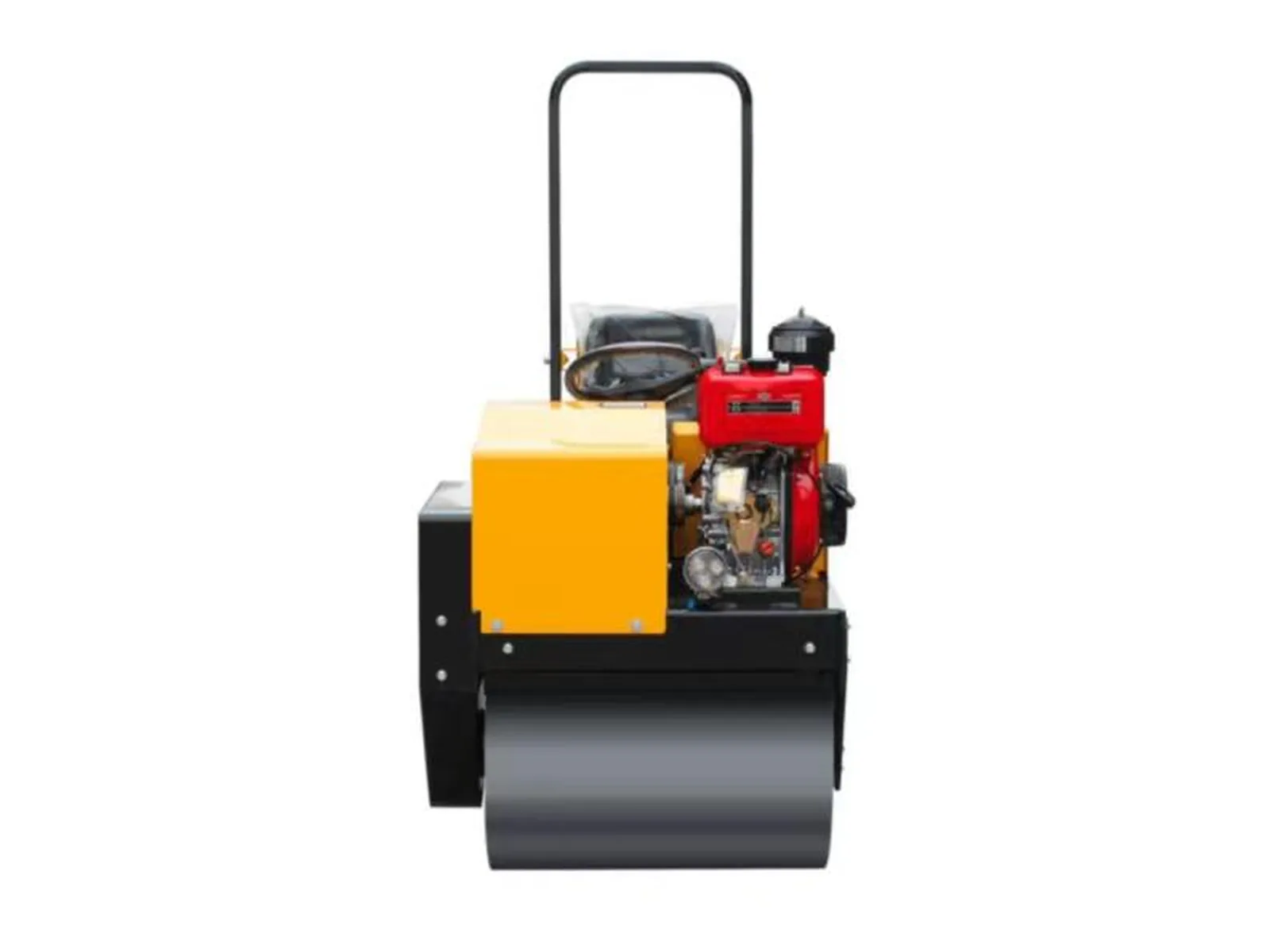
Published road roller weight examples
The range covers walk-behind and ride-on compact rollers, 3,000 kg tandem models and full-size single-drum rollers. Published examples are shown below.
| Model | Roller type | Operating weight | Published contact width |
|---|---|---|---|
| LC600 | Walk-behind single drum | 330 kg | 600 mm drum width |
| LC600 | Walk-behind tandem drum | 560 kg | 600 mm × 2 drum width |
| LC700Z | Ride-on tandem drum | 800 kg | 700 / 500 mm drum width |
| LC1000 | Tandem drum | 2,000 kg | 1,000 mm × 2 drum width |
| LC1200 | Tandem drum | 3,000 kg | 1,200 mm × 2 drum width |
| LC208 | Tandem drum | 8,000 kg | See model page |
| LCD212H | Single drum | 12,000 kg | See model page |
| LCD216H | Single drum | 16,000 kg | 2,100 mm drum width |
Why roller type matters with weight
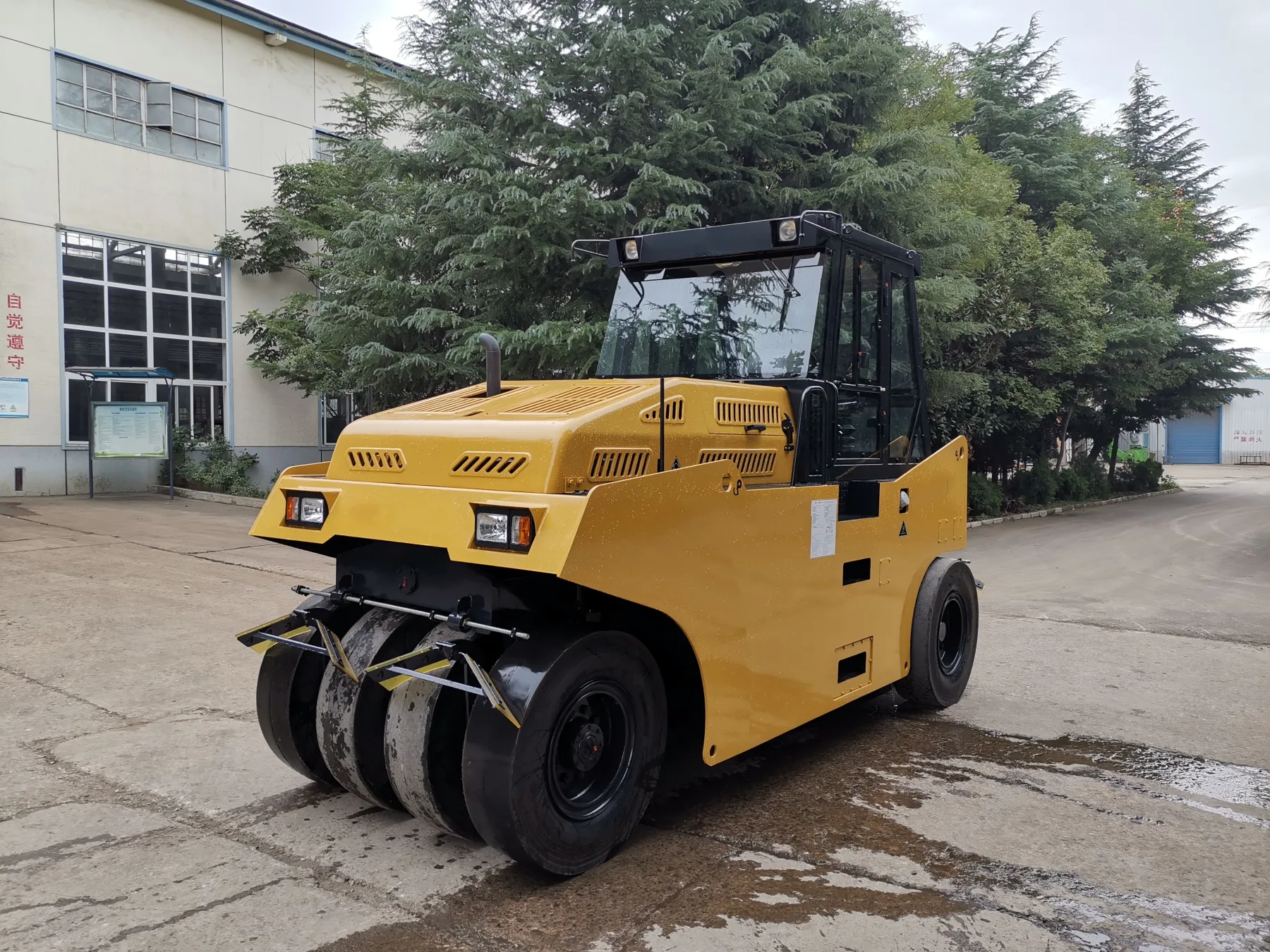
A 3,000 kg combination roller and a 3,000 kg tandem roller do not have the same contact layout. The combination machine uses a steel drum and pneumatic tires, while the tandem machine uses two drums.
A pneumatic-tire roller should also be specified by its tire arrangement and configured loading, not compared only by a single weight number. Compaction requirements must define the machine type before weight class is finalized.
Use weight correctly in selection and transport
Compare the LCD216H single drum roller, LC700Z ride-on tandem roller and LC1200 tandem roller to see how weight class and contact system work together.
- Select drum or tire contact from the material and compaction specification.
- Compare operating weight within that roller type.
- Check drum width, vibration frequency, amplitude and centrifugal force where published.
- Confirm shipping weight and dimensions for the final configuration.
- Verify destination and transport requirements before quotation.
Information to prepare for model matching
A useful machinery inquiry connects the model to a real work requirement. Include the primary task, material, required working range, access limits, ground conditions, attachment needs, quantity and destination. For transport-sensitive equipment, include the maximum permitted shipping dimensions or weight if these are already known.
LICH compares this information with the reviewed product files and published model data. A family name or weight class is not treated as a complete configuration. Values that are not present in the verified product material remain subject to written confirmation, and the final model, working equipment and shipment details should be recorded in the quotation documents.
Frequently asked questions
How much does a road roller weigh?
Weights vary widely by type and model. Published examples in the current LICH range run from 330 kg to 16,000 kg.
Is a heavier roller always better?
No. The roller must match material, layer, contact type and compaction requirements.
Is operating weight the shipping weight?
Not necessarily. Confirm final shipping weight and dimensions for the selected configuration.
Compare verified LICH machine data
Use the published model pages to compare dimensions, operating weight, power and working ranges. Final configuration details should be confirmed in writing for the intended job and destination.