Road roller types differ mainly in the contact system that applies compaction effort to the surface. A steel drum, two steel drums, a drum-and-tire combination or multiple pneumatic tires will not behave the same way on every material.
The machine category should be matched to the layer and compaction process before model weight or power is compared. LICH currently publishes single-drum, tandem-drum and pneumatic-tire roller models.
Road roller types and current examples
Single-drum vibratory rollers combine one front steel drum with rear tires. The layout is commonly selected for soil and base-layer compaction where traction and vibration are required.
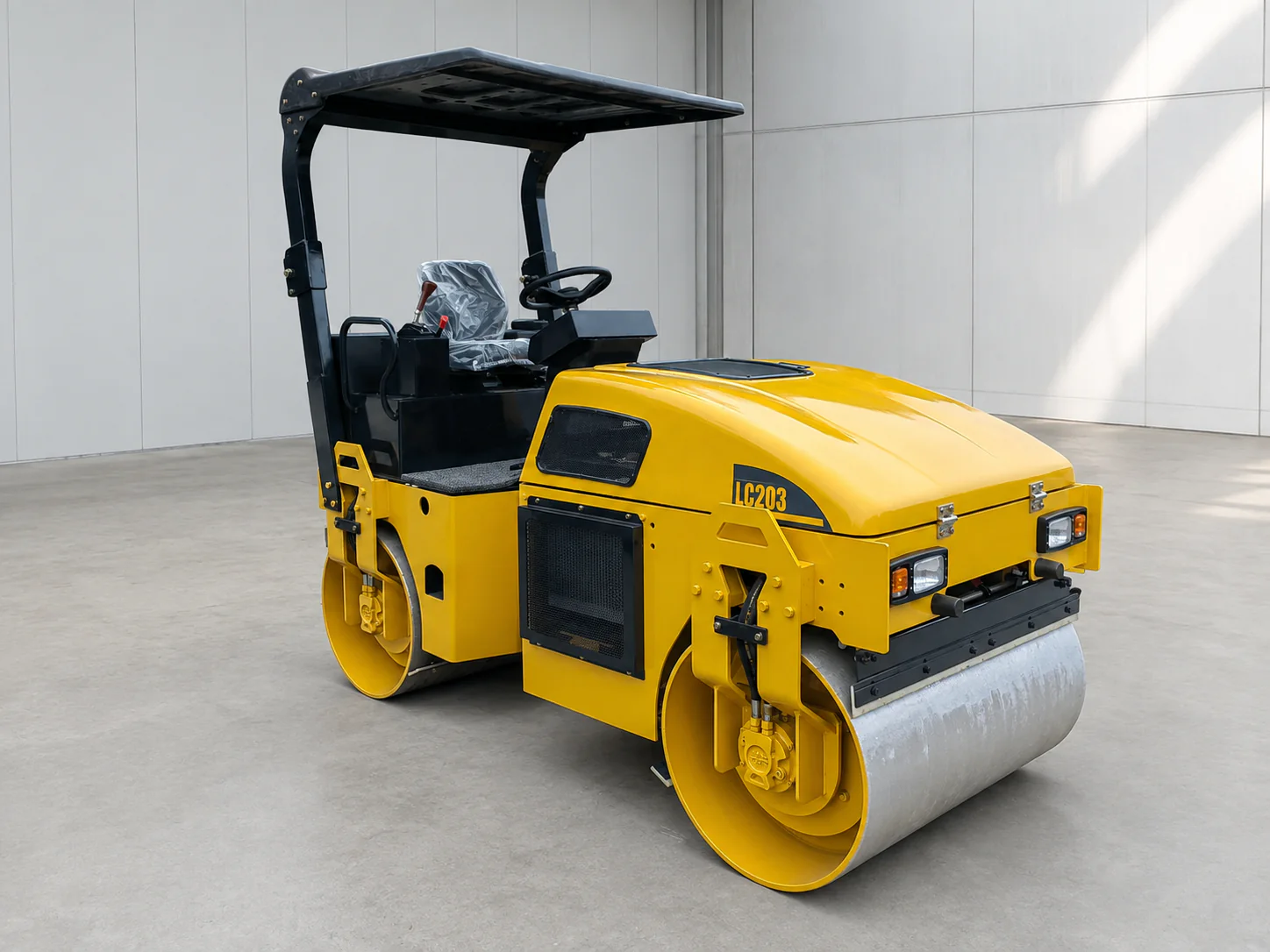
Tandem-drum rollers use steel drums at the front and rear. They are used where a smooth steel contact surface and compact machine envelope are required.
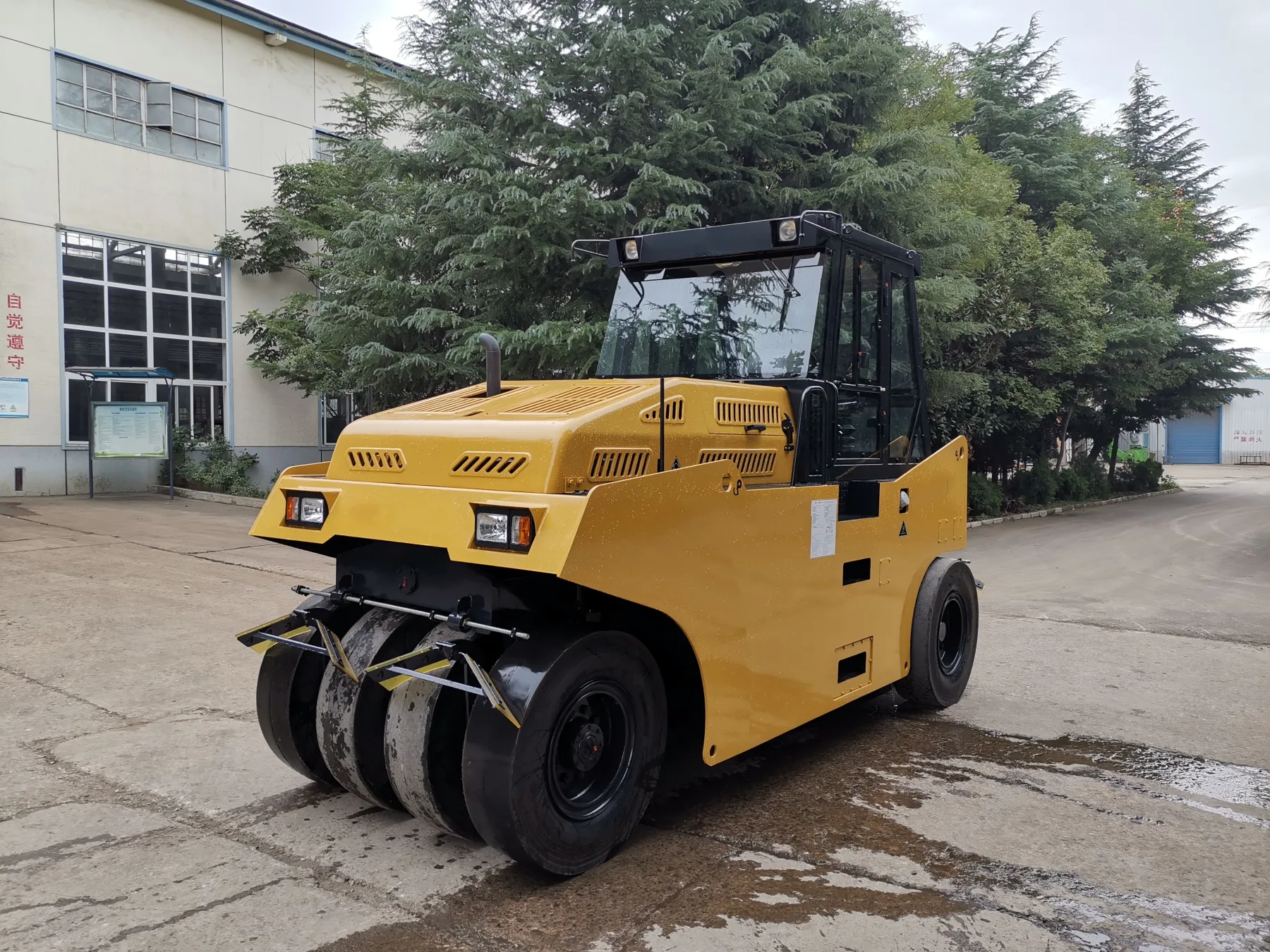
Pneumatic-tire rollers compact through multiple tires and adjustable machine loading rather than a steel drum. Combination rollers, which pair a steel drum with pneumatic tires, are another common layout but are not part of the current LICH range.
| Roller type | Current model example | Published reference data |
|---|---|---|
| Single drum vibratory | LC212B | 2,100 mm drum width; 5,650 × 2,280 × 3,000 mm |
| Tandem drum | LC203 | 1,250 mm drum width; 2,900 × 1,400 × 2,520 mm |
| Pneumatic tire | LCP1016H | 2,280 mm compaction width; 5,000 × 2,280 × 3,200 mm |
How the roller layouts differ
Machine photographs help verify the basic contact layout, but the selection still has to use the project specification and complete model data.
Road roller selection checklist
The LC203 tandem drum roller and LCP1016H pneumatic tire roller illustrate why “road roller” is too broad for a purchasing specification. The contact system must be stated.
- Identify the material and layer thickness.
- Confirm whether vibration is permitted and required.
- Match drum or tire contact to the compaction specification.
- Compare operating weight, drum width, amplitude, frequency and travel speed.
- Confirm the final machine configuration before shipment.
Information to prepare for model matching
A useful machinery inquiry connects the model to a real work requirement. Include the primary task, material, required working range, access limits, ground conditions, attachment needs, quantity and destination. For transport-sensitive equipment, include the maximum permitted shipping dimensions or weight if these are already known.
LICH compares this information with the reviewed product files and published model data. A family name or weight class is not treated as a complete configuration. Values that are not present in the verified product material remain subject to written confirmation, and the final model, working equipment and shipment details should be recorded in the quotation documents.
Frequently asked questions
What are the main types of road rollers?
The current LICH range includes single-drum vibratory, tandem-drum and pneumatic-tire rollers. Combination rollers are another common type but are not in the current range.
Is every road roller vibratory?
No. The compaction method depends on the roller type and configuration. Confirm vibration data on the exact model.
Should roller weight be the first selection factor?
Start with material and compaction method, then compare operating weight, contact width and performance data.
Compare verified LICH machine data
Use the published model pages to compare dimensions, operating weight, power and working ranges. Final configuration details should be confirmed in writing for the intended job and destination.