A motor grader is a wheeled construction machine built around a long frame and an adjustable moldboard located between the front and rear axles. The moldboard cuts, moves and shapes a controlled layer of material, making the machine useful for road formation and surface finishing.
The grader is not simply a wheeled bulldozer. Its layout is designed for controlled shaping, cross slope and repeated passes rather than bulk pushing. Model selection should therefore consider operating weight, power, overall dimensions and the required grading work.
What is a motor grader used for?
Motor graders are commonly used to shape subgrade and base layers, maintain unpaved roads, form drainage slopes and spread material in controlled passes. The long wheelbase and moldboard position help the operator make gradual corrections to the surface.
A grader may work after bulk earthmoving equipment and before final compaction. This sequence allows an excavator, loader or dozer to move larger volumes while the grader controls line, level and slope.
- Road formation and maintenance
- Fine grading of prepared material
- Shoulder and drainage-slope shaping
- Material spreading in controlled layers
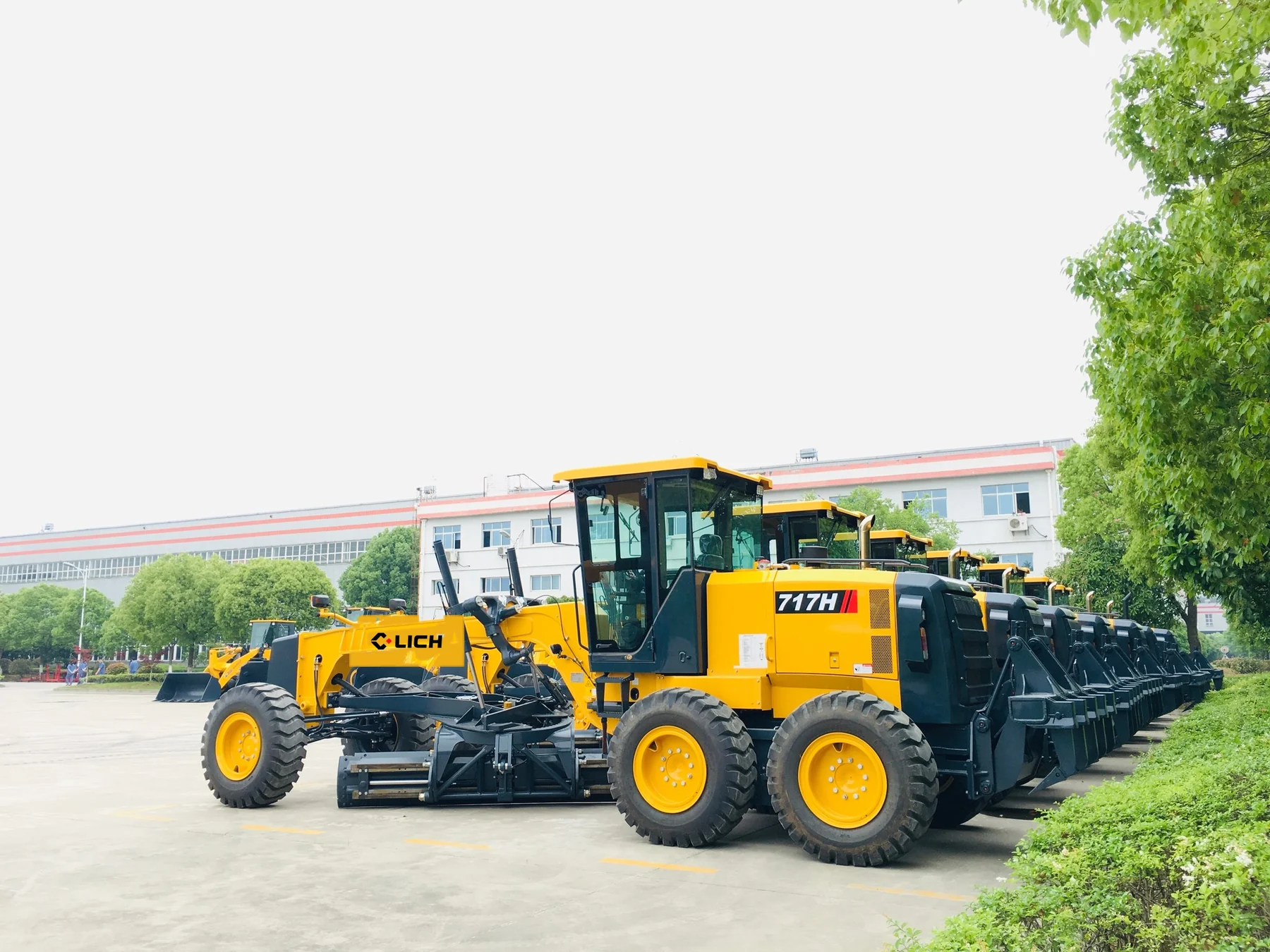
Current LICH motor grader range
The published range covers several operating weights and power levels. The table shows representative models; complete specifications remain on each model page.

| Model | Operating weight | Rated power | Overall dimensions |
|---|---|---|---|
| LC-G130 | 12,000 kg | 97 kW / 2,200 rpm | 8,290 × 2,600 × 3,465 mm |
| LC-G170 | 14,500 kg | 132 kW / 2,200 rpm | 8,820 × 2,600 × 3,420 mm |
| LC-G190 | 15,600 kg | 142 kW / 2,200 rpm | 8,950 × 2,600 × 3,420 mm |
| LC-G220-A | 16,100 kg | 162 kW / 2,200 rpm | 9,235 × 2,600 × 3,370 mm |
| LC-G240 | 20,000 kg | 179 kW / 2,200 rpm | 9,250 × 2,600 × 3,420 mm |
| LC-G350 | 28,000 kg | 268 kW / 2,100 rpm | 12,500 × 3,300 × 3,700 mm |
How to compare motor grader models
A larger model is not automatically the right answer. The correct grader should match the work envelope, material and required finish without creating avoidable access or transport constraints.
- Define the material, required finish and expected grading width.
- Confirm available working and turning space.
- Compare operating weight and power for the expected conditions.
- Check blade, axle and optional-equipment requirements in the final configuration.
- Confirm transport dimensions and destination requirements in writing.
Information to prepare for model matching
A useful machinery inquiry connects the model to a real work requirement. Include the primary task, material, required working range, access limits, ground conditions, attachment needs, quantity and destination. For transport-sensitive equipment, include the maximum permitted shipping dimensions or weight if these are already known.
LICH compares this information with the reviewed product files and published model data. A family name or weight class is not treated as a complete configuration. Values that are not present in the verified product material remain subject to written confirmation, and the final model, working equipment and shipment details should be recorded in the quotation documents.
Frequently asked questions
What does a motor grader do?
It uses an adjustable moldboard to cut, move and shape a controlled layer of material for road formation, maintenance and surface grading.
Is a road grader the same as a motor grader?
Road grader is a common name for a motor grader, especially when discussing road construction or maintenance work.
Is a motor grader a compactor?
No. A grader shapes the surface; a roller or other compaction machine is used to compact the prepared layer.
Compare verified LICH machine data
Use the published model pages to compare dimensions, operating weight, power and working ranges. Final configuration details should be confirmed in writing for the intended job and destination.