A backhoe vs bulldozer comparison involves two machines built for different work cycles. A backhoe loader combines front-bucket handling with rear excavation. A bulldozer uses a front blade and tracked undercarriage for pushing, spreading and rough grading.
The choice should be made from the dominant task. If the project requires trenching and front-bucket handling, compare backhoe-loader models. If it requires continuous pushing and surface shaping, compare crawler dozers.
Backhoe vs bulldozer: working-tool difference
A backhoe loader changes between its front and rear working tools. A bulldozer keeps the blade working in front of the machine while travelling through the push.
These layouts are not substitutes for every task. A backhoe can excavate below ground level; a dozer is structured for blade work and pushing.
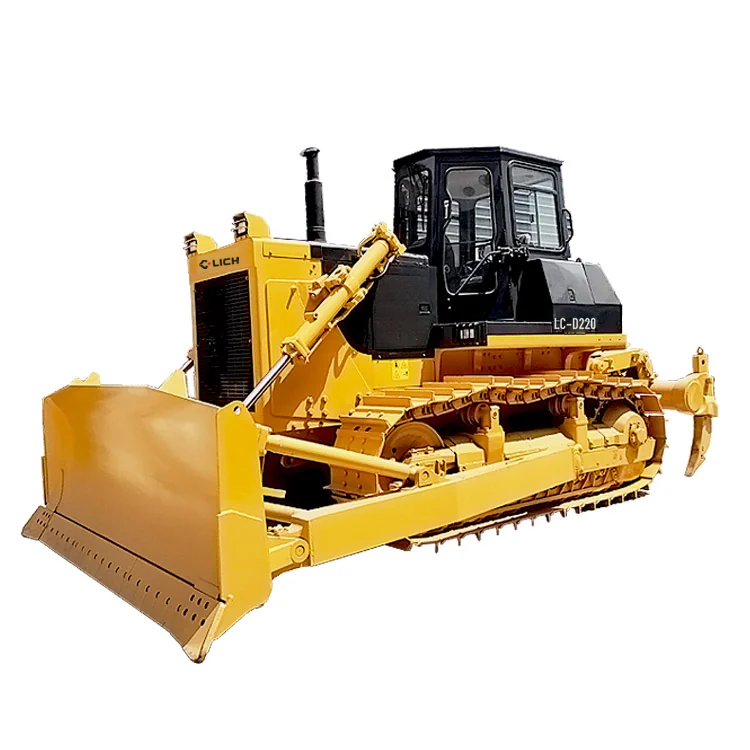
| Feature | Backhoe loader | Crawler bulldozer |
|---|---|---|
| Primary tools | Front loader bucket and rear backhoe | Front blade |
| Main work cycle | Load, carry and excavate | Push, spread and rough-grade |
| Published comparison data | Weight, power, bucket, digging depth | Weight, power, blade data |
| Current LICH examples | LC-B30, LC-B388, LC-B388T, LC-B388H | LC-D160, LC-D220 |
Current model examples
The LC-B30 backhoe loader is listed at 7,640 kg, with a 1.2 m³ loading bucket and a 4,082 mm maximum digging depth. The LC-B388 is listed at 8,200 kg, with a 1.0 m³ loader bucket and a 4,085 mm maximum digging depth.
The LC-D220 crawler bulldozer is listed at 23.5 t, 175 kW and a 3,725 mm blade width. The numbers describe different working systems, so comparing weight alone would not answer the selection question.
Which machine fits the work sequence?
Send the intended material, digging depth, push work, site dimensions and destination when requesting a model recommendation.
- Choose a backhoe loader for combined front loading and rear excavation.
- Choose a bulldozer for sustained pushing, spreading and rough grading.
- Use separate machines when the project requires both work cycles at the same time.
- Confirm ground, access and transport requirements for the exact model.
Information to prepare for model matching
A useful machinery inquiry connects the model to a real work requirement. Include the primary task, material, required working range, access limits, ground conditions, attachment needs, quantity and destination. For transport-sensitive equipment, include the maximum permitted shipping dimensions or weight if these are already known.
LICH compares this information with the reviewed product files and published model data. A family name or weight class is not treated as a complete configuration. Values that are not present in the verified product material remain subject to written confirmation, and the final model, working equipment and shipment details should be recorded in the quotation documents.
Frequently asked questions
Can a backhoe loader push material?
Its front bucket can handle and move material, but it is not the same working layout as a crawler bulldozer with a blade.
Can a bulldozer dig a trench?
A bulldozer can cut and push material with its blade, but it does not replace a rear backhoe or excavator for normal trench excavation.
Which machine is more versatile?
Versatility depends on the job. A backhoe loader combines two working ends; a bulldozer is specialized for blade work and pushing.
Compare verified LICH machine data
Use the published model pages to compare dimensions, operating weight, power and working ranges. Final configuration details should be confirmed in writing for the intended job and destination.