Backhoe vs Loader: Core Tasks
A backhoe vs loader choice starts with the mix of digging and material handling on the same site. A backhoe loader combines a front bucket and rear digging boom; a wheel loader centers on loading.
For backhoe vs loader, map a normal working day rather than one unusual task. List trenching hours, stockpile movement, truck loading, travel between work zones, and available operators.
Compare Jobsite Constraints
In a backhoe vs loader comparison, the backhoe’s rear boom is the defining difference. It can excavate trenches and foundations where the chosen configuration, ground conditions, and reach allow.
A wheel loader in the backhoe vs loader decision is usually focused on repeated scooping, carrying, and loading. Match bucket, travel route, cycle distance, and truck height to the actual duty.
Backhoe front buckets can handle material, but backhoe vs loader productivity should not be assumed from the presence of a front bucket alone. Compare relevant performance specifications under the same conditions.
If both excavation and loading occur intermittently, backhoe vs loader may favor one multifunction machine. Yet frequent simultaneous work can justify separate machines so one task does not stop the other.
| Decision point | Evidence to request |
|---|---|
| Excavation | Trench task and rear-boom need |
| Loading | Bucket cycle and truck height |
| Logistics | Access, transport, and support |
Backhoe vs Loader in the LICH Catalogue
For backhoe vs loader on a confined site, measure turning space, stabilizer deployment, overhead obstructions, and access to the digging line. A machine must work safely after it passes the gate.
For long loading cycles, backhoe vs loader evaluation should include bucket fill, travel surface, haul distance, and unloading height. Ask for the actual machine’s rated specifications before estimating daily output.
Ground conditions affect backhoe vs loader selection. Tire choice, traction, firm support for stabilizers, and drainage can shape the work plan; site preparation may matter more than a nominal specification.
Transport can change a backhoe vs loader answer. Check machine dimensions and shipping mass, local route restrictions, unloading arrangement, and whether a second attachment travels with the machine.
If a worksite already owns an excavator, backhoe vs loader may favor dedicated loading capacity. If trenching is occasional and space is limited, the combined backhoe deserves closer evaluation.
Evaluate Ownership Scope
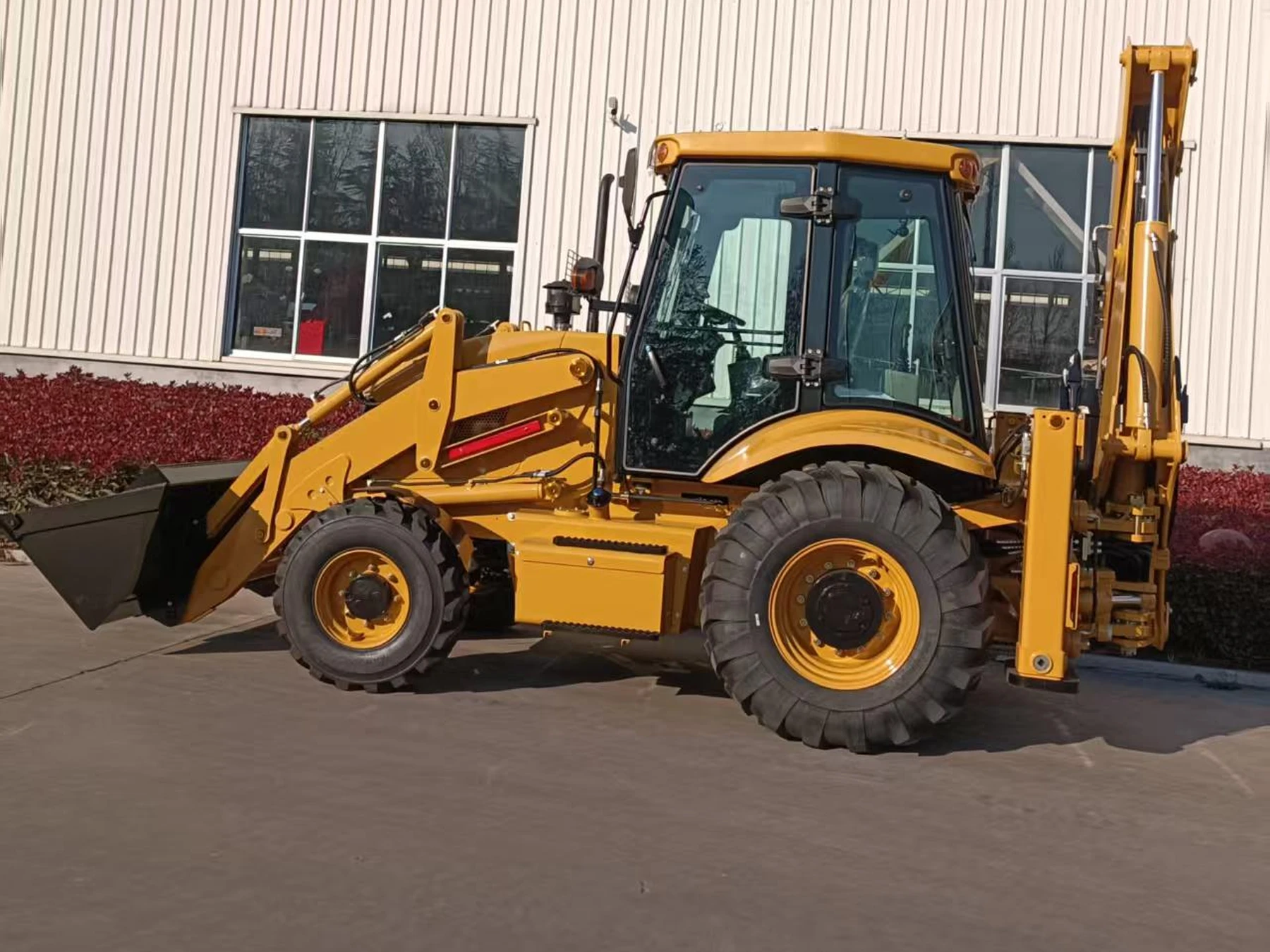
The LICH LC-B388 page is a backhoe example in a backhoe vs loader review. Its listed configuration should be compared with the actual digging depth, front bucket, and stabilizer requirements.
The LICH 936G wheel loader page provides a separate machine type for backhoe vs loader. Check its current quotation and documented configuration; catalogue photos are not a performance test.
Do not treat the two model photographs as an equal-capacity backhoe vs loader trial. They show machine layout. Any fair comparison needs the job, tested conditions, cycle definitions, and selected options.
For a backhoe vs loader decision, ask which attachments are included and how auxiliary hydraulic tools are supported. Coupler dimensions and approved tool mass need a model-specific compatibility review.
Write a Better Inquiry
Compare maintenance scope in backhoe vs loader: tires, brakes, hydraulics, front bucket wear, and for a backhoe, the rear boom and stabilizers. Request the manuals and planned service items.
Operator training is a cost in backhoe vs loader selection. A multifunction machine asks one crew to manage two working ends; a loading-focused machine may simplify repeated material handling.
Ask suppliers to itemize a backhoe vs loader offer with machine, bucket, options, packing, documentation, delivery location, and support terms. Compare the complete order instead of one headline price.
A useful backhoe vs loader request provides hours spent digging and loading, material type, truck height, travel distance, trench dimensions, terrain, quantity, and destination. Include a sketch when possible.
Practical buyer worksheet
Create a daily task table showing the hours spent excavating, shifting spoil, loading trucks, and traveling between work areas. Add trench dimensions, bucket material density, truck side height, turning space, and ground support conditions. Identify tasks that must happen at the same time. Request equivalent quotations including attachments, delivery, training documents, and maintenance items. A single multifunction machine can reduce the number of units to transport, while two specialized machines may keep simultaneous crews working; the result depends on your schedule and costs. Review this worksheet with the site supervisor before choosing a machine category. If uncertainty remains, request a demonstration under material and travel conditions. Record cycle definitions, fuel consumed, and crew requirements. This gives the purchasing team evidence beyond specifications, while leaving site variations visible.
Backhoe vs Loader: Buyer Questions
Can a wheel loader replace a backhoe in backhoe vs loader? It generally cannot perform rear-boom trench excavation without another machine or tool. Base the decision on required work, not machine size.
Is a backhoe always cheaper in backhoe vs loader? No reliable answer follows from machine category alone. Quote comparable configurations, operating assumptions, transport, support, and expected utilization.
For a documented backhoe vs loader comparison, send LICH the job breakdown and desired configuration through the contact page. Confirm final specifications and commercial terms in writing.